Planning a funeral can give family and friends a dedicated time to remember someone special, share stories, and support one another. Families considering
cremation services Dearborn, MI can plan a traditional or personalized funeral ceremony before cremation takes place. The gathering may include visitation, music, readings, family participation, and meaningful details that reflect the person's life and relationships.
Choosing Details That Reflect a Life
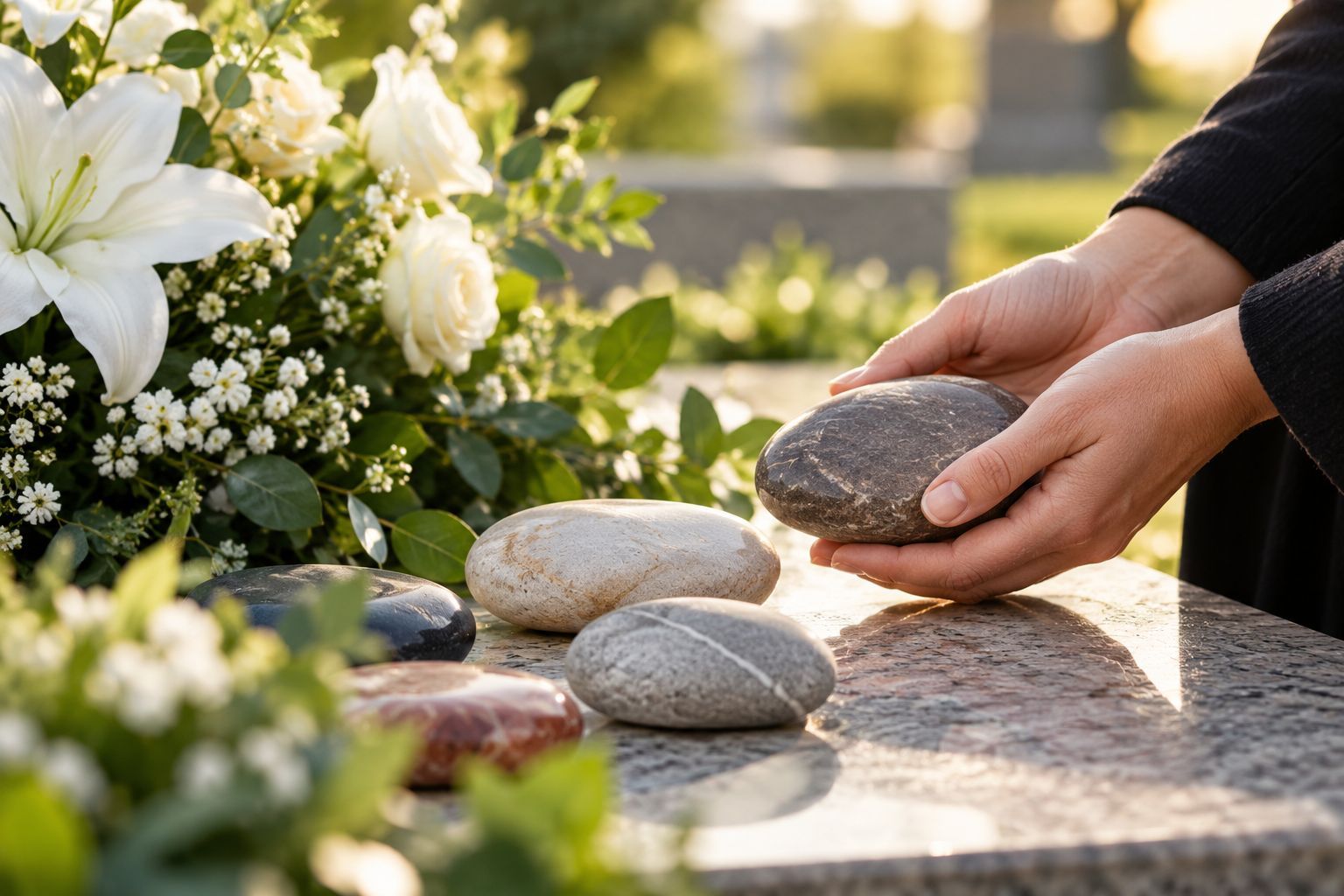
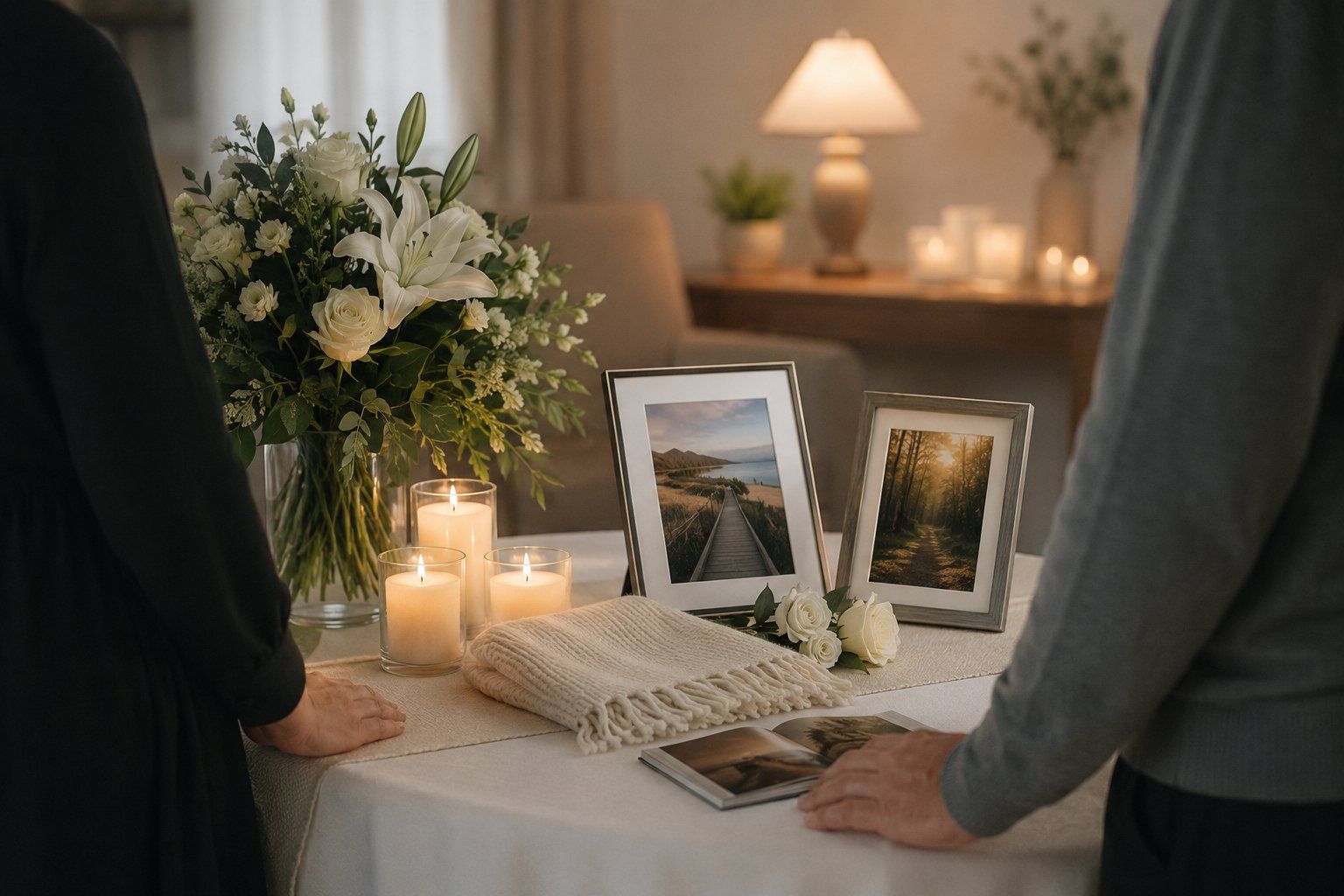
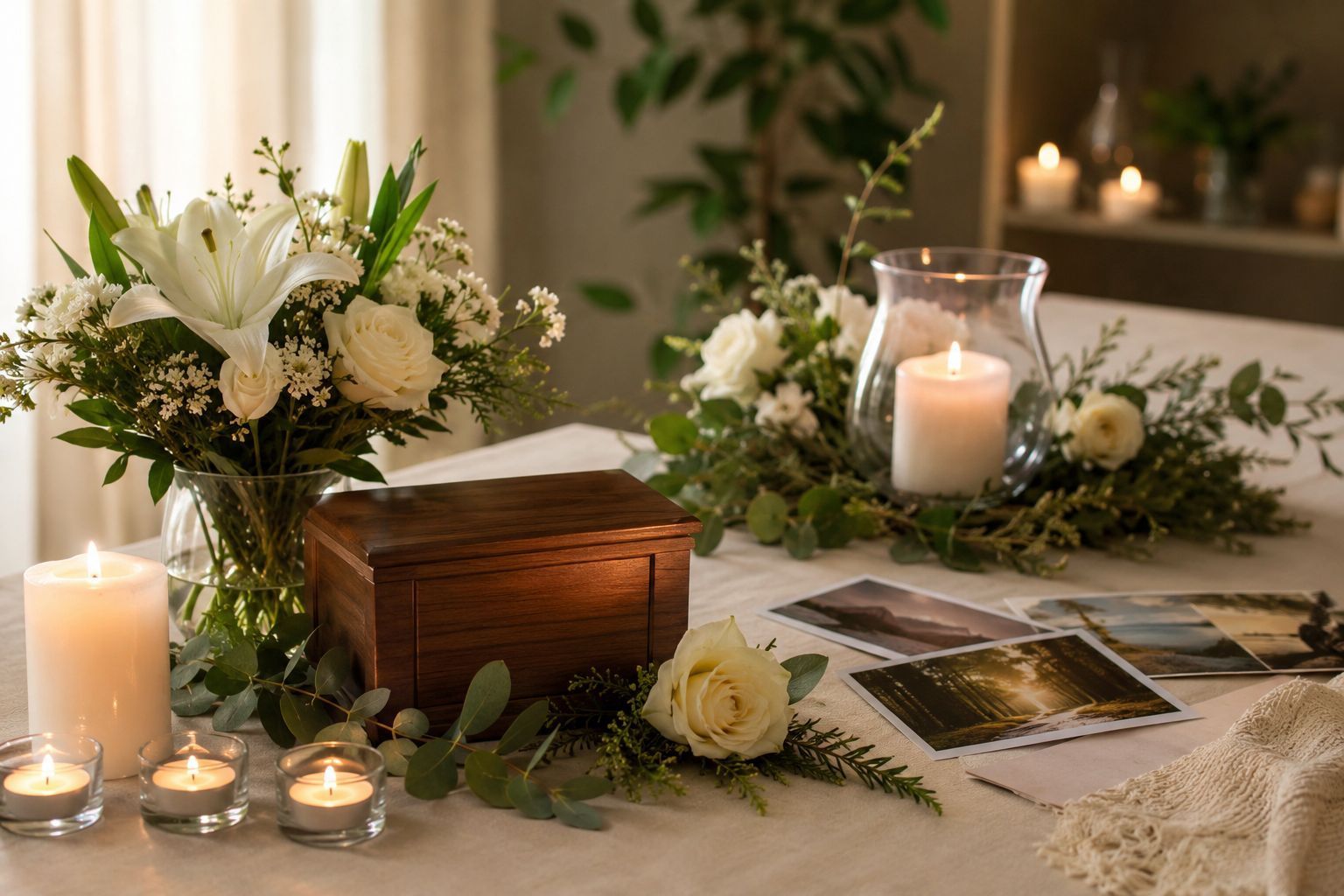
Personal details can turn a formal ceremony into a sincere reflection of someone's character. Families may consider favorite music, meaningful photographs, treasured belongings, or stories that illustrate important relationships and experiences. These details help guests remember the individual in a personal way while creating natural opportunities for reflection.
Inviting Loved Ones to Participate
Participation can make a funeral feel more personal while giving relatives and close friends a meaningful role. A family member might share a reading, while another person may offer a short reflection about a cherished memory. Participation can be planned according to each person's comfort level so that no one feels pressured to speak publicly.
Selecting Meaningful Ceremony Elements
Families do not have to follow one fixed format when arranging a ceremony. The
service can reflect religious traditions, family customs, personal beliefs, or a combination of meaningful practices. Some details to consider include:
- Music: Select songs connected with important memories or relationships.
- Readings: Choose poetry, scripture, or passages that reflect the person's values.
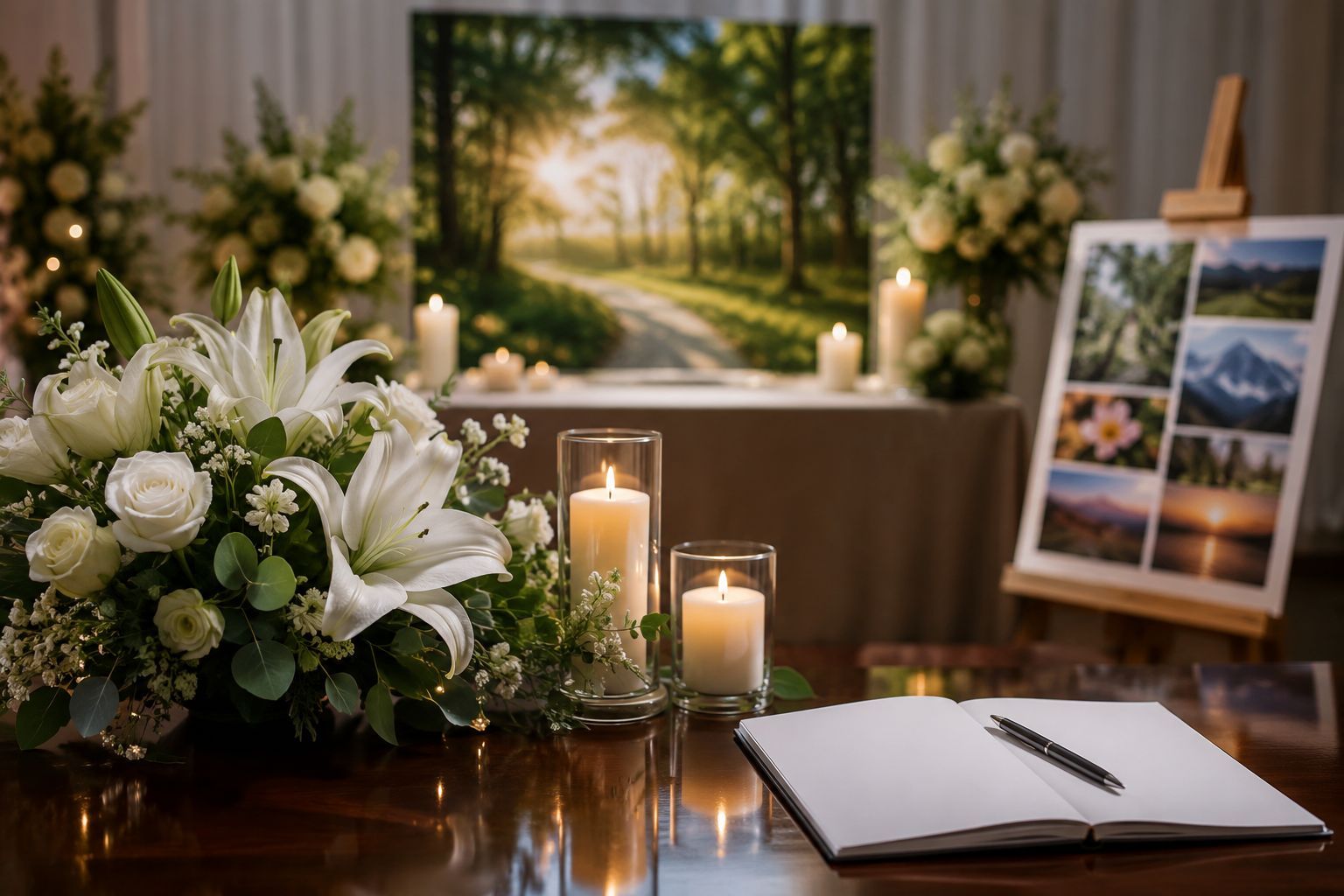
- Photographs: Display images representing different stages of life and important relationships.
- Personal belongings: Include meaningful objects connected with hobbies, interests, or achievements.
- Family reflections: Invite loved ones to share brief memories during the ceremony.
Carefully chosen elements can work together to create a thoughtful and cohesive remembrance.
Deciding on Visitation
A visitation before the funeral can provide relatives and friends with time to gather in a quieter setting. Families can consider whether this type of gathering fits their traditions and personal wishes. It can also give guests an opportunity to offer condolences, share memories, and spend meaningful time together before the formal ceremony begins.
Using Music to Express Emotion
Music can communicate feelings that may be difficult to put into words. A song associated with a meaningful relationship, family tradition, or important period of life can bring familiar memories into the ceremony. Families may select a few pieces for significant moments, such as the beginning, a period of reflection, or the conclusion of the gathering.
Sharing Stories with Purpose
Personal stories often become some of the most memorable parts of a funeral. Speakers can focus on qualities that defined the person, such as kindness, humor, dedication, faith, friendship, or devotion to family. Short and specific memories can help guests understand why the person mattered while keeping each reflection sincere and focused.
Creating a Comfortable Flow
A well-organized ceremony gives each element enough space without making the gathering feel rushed. Families can consider how the opening, readings, music, reflections, and closing will connect.
Planning the sequence beforehand can also help participants understand their roles and allow relatives to focus more fully on being present with one another.
Allowing Different Forms of Remembrance
Not every guest will feel comfortable speaking publicly. Some may prefer to participate quietly by viewing photographs, listening to music, writing a private message, or simply spending time with family. Providing different ways to remember someone allows guests to participate according to their personalities and emotional needs.
Keeping the Focus on the Individual
Personalization works best when each detail has a genuine connection to the person being remembered. Rather than including elements simply because they are customary, families can consider what truly represents their loved one's personality, relationships, beliefs, interests, and experiences. This approach can create a ceremony that feels thoughtful and sincere without becoming overly elaborate.
Remembering Support After the Ceremony
The need for support often continues after the funeral ends. Family members and friends may experience grief differently and at different times. Staying connected with trusted relatives, friends, community resources, or grief support programs can provide encouragement as everyone adjusts in their own way.
Frequently Asked Questions
Can a funeral be held when a cremation is chosen?
Yes. Families can still arrange a meaningful funeral, visitation, or personalized ceremony when cremation is chosen. The gathering can incorporate traditional elements alongside details that reflect the person's life and the family's wishes.
What personal details can be included in the ceremony?
Families may incorporate photographs, meaningful music, readings, personal belongings, and stories that represent important relationships, interests, achievements, and memories.
Can relatives participate in the funeral?
Yes. Loved ones may contribute readings, reflections, music, or other meaningful roles based on their comfort level and the family's preferences.
How can families keep the ceremony personal?
Focus on details that genuinely represent the person's life. A few carefully selected memories, readings, photographs, and meaningful elements can create a sincere tribute without making the ceremony complicated.
Receive Caring Guidance for a Meaningful Farewell
When thoughtful details matter, Howe-Peterson Funeral Home & Cremation Services can help your family create a ceremony centered on meaningful memories and personal wishes.
Learn more about our services and how we can help with
cremation services Dearborn, MI. Contact our caring team at
(313) 291-0900 for compassionate guidance and personalized assistance.