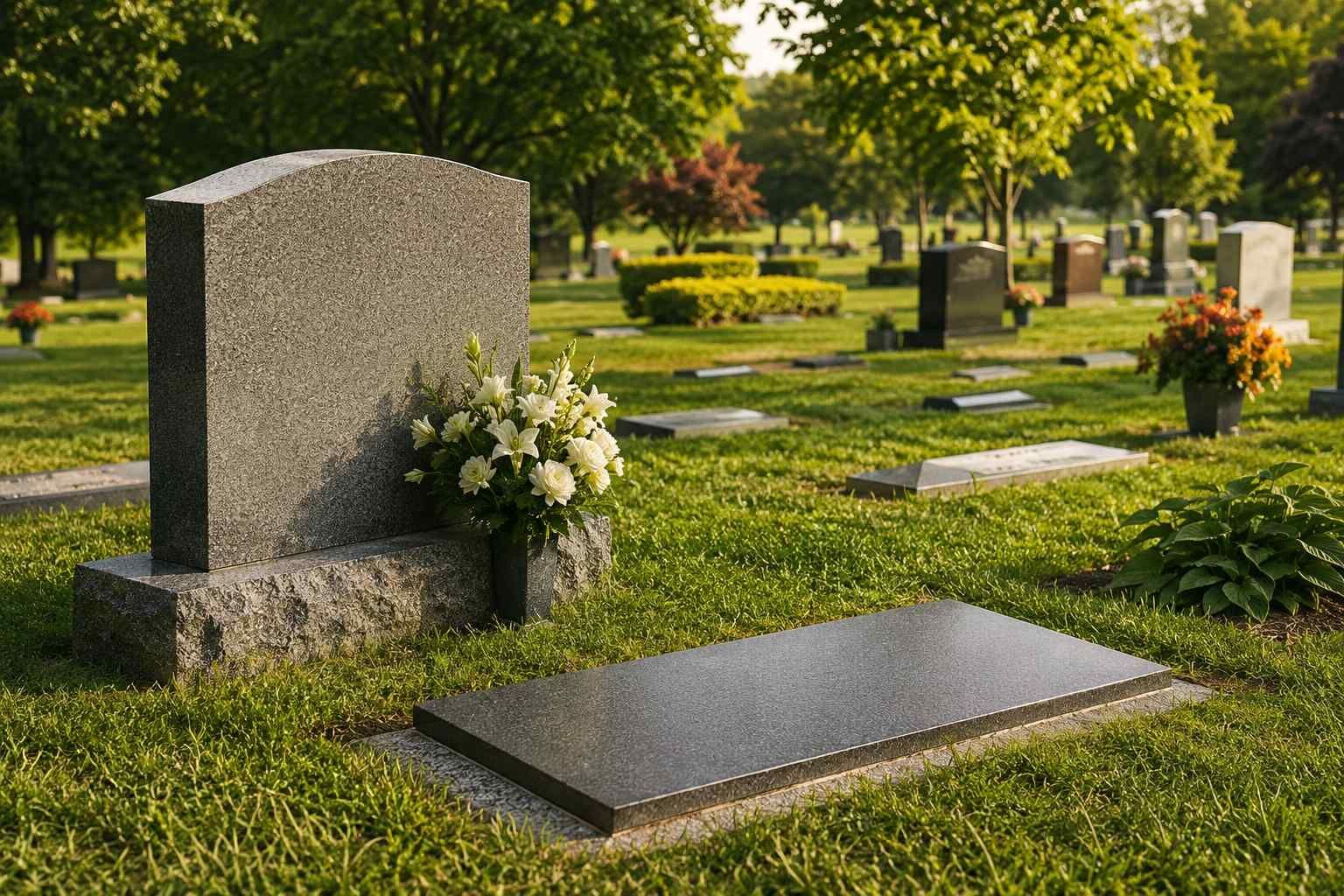
Shared memories give grief somewhere to go. They do not make the loss smaller, but they can help a family stay connected to the person who died and to one another. For families seeking
funeral homes Taylor, MI, a meaningful gathering often begins with making room for the stories that deserve to be heard.
Shared Memories Can Make Room for Hope, Not Erase Grief
Hope after a death is not the same as moving on or pretending everything is fine. It may simply mean recognizing that love, influence, humor, and family traditions can remain part of life.
One person may want to talk often, while another may be quiet or focused on practical tasks. Both responses can be part of healthy grieving. A memorial gathering can offer a gentle place for each person to participate in their own way, whether that means speaking aloud, sitting with family, listening to music, or looking through photographs.
Memory-sharing also helps families see the whole person. A parent may have been remembered as dependable by one child, playful by a grandchild, and wise by a longtime friend. Those different views do not compete. Together, they create a fuller and more honest remembrance.
When Family Members Want to Talk but Do Not Know How to Begin
Silence can feel especially heavy when relatives gather after a loss. People may worry about crying, saying the wrong thing, or taking up too much time. A simple starting point removes some of that pressure.
- Begin with one ordinary detail. Mention a familiar meal, a favorite saying, a hobby, a holiday habit, or the way the person greeted visitors. Small details often lead naturally into meaningful stories.
- Use photos as prompts. Set out a few pictures from different seasons of life. Ask, “What do you remember about this time?” rather than asking someone to give a formal speech.
- Play meaningful music. A song connected to a road trip, family gathering, faith tradition, or celebration can invite memories without requiring anyone to speak right away.
- Offer an easy sentence starter. “One thing I will always remember is…” or “They taught me…” can help someone who wants to contribute but feels stuck.
- Let children participate simply. A child may want to draw a picture, choose a photo, share a favorite snack memory, or say one thing they loved. They should never be pressured to speak, but they should know their memories matter.
A
funeral or memorial service does not need to sound polished to be meaningful. A short, truthful memory often stays with a family longer than a carefully prepared tribute.
When Different Generations Remember the Person Differently
Children, teens, adults, and older relatives may grieve the same loss from very different places. A young child may remember bedtime stories or a special nickname. A teenager may remember rides, advice, or shared interests. Adults may carry memories of work, caregiving, or difficult family seasons, while older relatives may remember the person’s early years.
Making space for these perspectives matters because no one person holds the entire story. When family members listen without correcting every detail, they often learn something new about the person they loved.
It can help to explain that memories do not have to be dramatic. A grandchild’s story about gardening with a grandparent may be just as important as a sibling’s memory of growing up together. The goal is not to decide whose memory is most meaningful. It is to honor the many ways a life touched others.
When Someone Cannot Attend or Lives Far Away
Distance, health concerns, work, and family obligations can keep important people from attending. They can still be included in a thoughtful way.
- Invite written memories. A letter, short note, or email can be read privately by the family or shared during a gathering if the writer is comfortable with that.
- Request a voice or video message. A recording can feel especially personal when a loved one cannot be present. Keep it brief and share it at a time that feels right for the family.
- Collect photos with captions. Ask relatives to send a photograph and explain when it was taken or why it matters. Even a few words can preserve context that may otherwise be lost.
- Create a shared family collection. A designated family member can gather memories in one place for later reading. This prevents messages from getting lost among calls, texts, and other immediate responsibilities.
- Include a private response. Some people do not want their message read aloud. Respecting that choice still allows them to participate and support the family.
If you are planning a service, ask the funeral home what forms of personal remembrance can be included without making the gathering feel rushed or overwhelming.
When Tension or Complicated Relationships Are Part of the Loss
Not every death brings a family together easily. Estrangement, unresolved hurt, caregiving strain, and mixed emotions can all be present.
Grief can be real even when the relationship was difficult.
A respectful remembrance does not require anyone to rewrite the past. It is possible to acknowledge a person’s meaningful qualities without making claims that do not feel true to everyone in the room. Keep tributes grounded in specific memories, values, or moments of connection.
Boundaries are also important. Participation can be optional. Some relatives may attend but not speak, while others may choose a quieter way to say goodbye. Giving people room to decide what they can handle protects the purpose of the gathering, which is remembrance, not forcing reconciliation.
When a Family Wants to Carry Memories Forward After the Gathering
The service may be one important day, but remembrance can continue in quieter ways afterward. Continuing these practices gives families a reason to reconnect when the first wave of support has passed.
- Gather stories in one place. Keep written recollections, photographs, and notes in a family memory book or digital collection. Add to it over time rather than trying to finish it immediately.
- Continue a tradition. Cook a familiar recipe, watch a favorite game, visit a meaningful place, or mark a birthday in a way that feels fitting for your family.
- Set a future time to share. A meal, holiday gathering, or anniversary can become a gentle occasion to bring out photos and tell stories again.
- Give children a lasting role. Let them choose a memory to preserve, help make a photo display, or ask questions about the person as they grow older. Their understanding of the loss may change over time.
- Ask for guidance when planning. Families can ask
funeral homes Taylor, MI about meaningful ways to include photographs, music, spoken memories, and personal details in a service or later gathering.
Shared remembrance does not follow a schedule, and there is no correct way to tell a family story. Finding Hope and Healing Through Shared Memories With Family can help you create space for the moments, voices, and traditions that matter most. To
discuss a personal way to honor someone you love, call
(313) 291-0900.